There is a strong difference between knowing what to do and actually doing it. Most people do not suffer only because they lack information. Many times, they already know enough to take the next step, make the call, start the habit, leave the situation, write the proposal, apologise, say no, ask for help, or begin again. The difficulty is not always in knowing. The difficulty is in converting knowing into action.
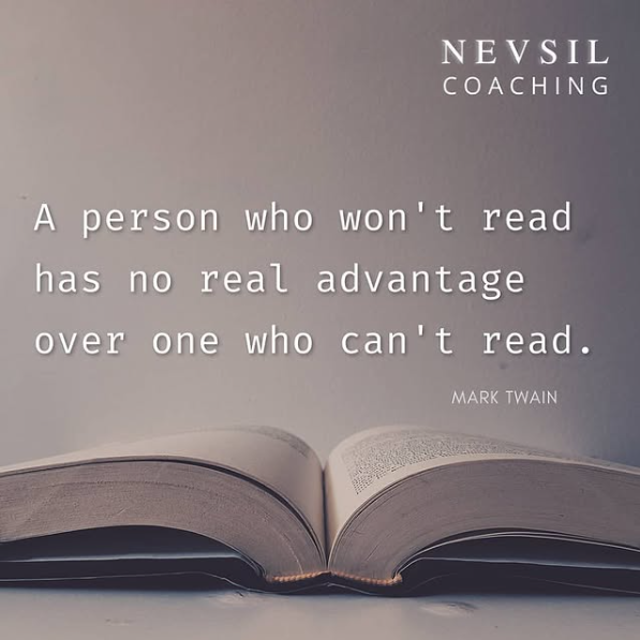
Reading is one of the most powerful ways to expand the mind. A person who reads has access to ideas, experiences, mistakes, discoveries, and lives that go far beyond their own direct experience. Reading can give perspective, language, imagination, strategy, and depth. It can show us that our problems are not unique, that other people have faced similar fears, and that there are ways of seeing life that we would never find if we remained locked inside our own habits of thought.
But reading alone does not change a life.
A book can give you a map, but it will not walk the road for you. A sentence can create insight, but insight does not automatically become transformation. A method can be clear, intelligent, and useful, but it remains only a possibility until it is practised. Knowledge gives you access to better choices. Action is what makes those choices real.
This is one of the most common traps of personal development: confusing understanding with progress. We read the book, watch the video, attend the seminar, listen to the podcast, and feel that something has changed because the idea makes sense. For a moment, clarity feels like movement. But after a few days, the old routines return. The same avoidance. The same excuses. The same emotional reactions. The same unfinished decisions. Nothing truly changed because nothing was truly practised.
Knowing what to do can even become a comfortable hiding place. It allows us to feel intelligent without becoming responsible. We can analyse the situation, explain the pattern, describe the obstacle, and name the solution, while still avoiding the discomfort of acting. Sometimes the mind keeps collecting information because action would expose us to risk. If we act, we may fail. If we decide, we may lose an option. If we speak, someone may react. If we begin, we may discover that we are not as ready as we wanted to be.
So we keep preparing.
Preparation is useful when it serves action. It becomes avoidance when it replaces action.
There is a point where one more book will not help. One more video will not help. One more conversation will not help. One more perfect plan will not help. The next step is no longer intellectual. It is behavioural. You need to do something, even if it is small, imperfect, and uncomfortable.
This does not mean acting blindly. Reflection matters. Learning matters. Thinking matters. A good decision deserves attention. But after a certain point, the system needs feedback from reality. You only discover what works when you test it. You only build confidence by moving through uncertainty. You only develop discipline by repeating actions when motivation is not present. You only become a different kind of person by behaving differently, not by agreeing with better ideas.
Action does not need to be dramatic. In fact, dramatic action often fails because it depends too much on emotion. The most important actions are usually simple and repeatable. Write one page. Walk for twenty minutes. Send the message. Refuse one unnecessary obligation. Read ten pages and apply one idea. Put the phone away for one hour. Have the difficult conversation. Make the appointment. Start before you feel fully prepared.
The distance between the person you are and the person you want to become is crossed through behaviour. Not intention. Not theory. Not identity. Behaviour.
You do not become courageous by understanding courage. You become courageous by taking action while fear is present. You do not become disciplined by admiring discipline. You become disciplined by doing what matters when comfort invites you to stop. You do not become wise by collecting beautiful ideas. You become wiser when those ideas start guiding your decisions, your words, your habits, and your relationships.
The real value of knowledge is revealed by what it changes in your life.
So read. Learn. Think. Study people who lived well, failed well, created well, and decided well. But do not stop there. After each useful idea, ask yourself a direct question: what will I do with this?
Because knowing can open the door.
Only action lets you pass through it.
And this is #thepowerofdecision.